Airline lounge access: every way in, ranked by what it costs
Lounge access is sold as a luxury and used as a utility. Whether it is worth anything depends almost entirely on how long you are at the airport and what the alternative seat looks like.
Kaviqa3 min read
The six ways in
| Route in | What it gets you | Worth it when |
|---|---|---|
| Business or first class ticket | The operating airline's own lounge, or its partner's | Always. It is already paid for, so use it |
| Airline status | Lounge access even on an economy ticket, often with a guest | You fly the same alliance repeatedly |
| Lounge membership program | A network of independent and contract lounges | You take several long connections a year |
| Credit card benefit | Usually a membership bundled into an annual fee | The fee is justified by other benefits too |
| Day pass at the door | One visit, paid on the spot | A long connection you did not plan for |
| Paid upgrade at check-in | Cabin plus lounge, sold cheaply near departure | The cabin was worth buying anyway |
What you are actually buying
A lounge sells three things and only one of them is reliably good. The seat is the real product: somewhere to sit that is not a moulded bench under a departure announcement. The food is variable and rarely as good as the best restaurant in the terminal. The showers, on a long connection, are worth more than everything else combined.
The rules people get wrong
- Your lounge is decided by the ticket you are flying on next, not the one you bought. On a separate-ticket connection, access is judged against the leg you are about to board.
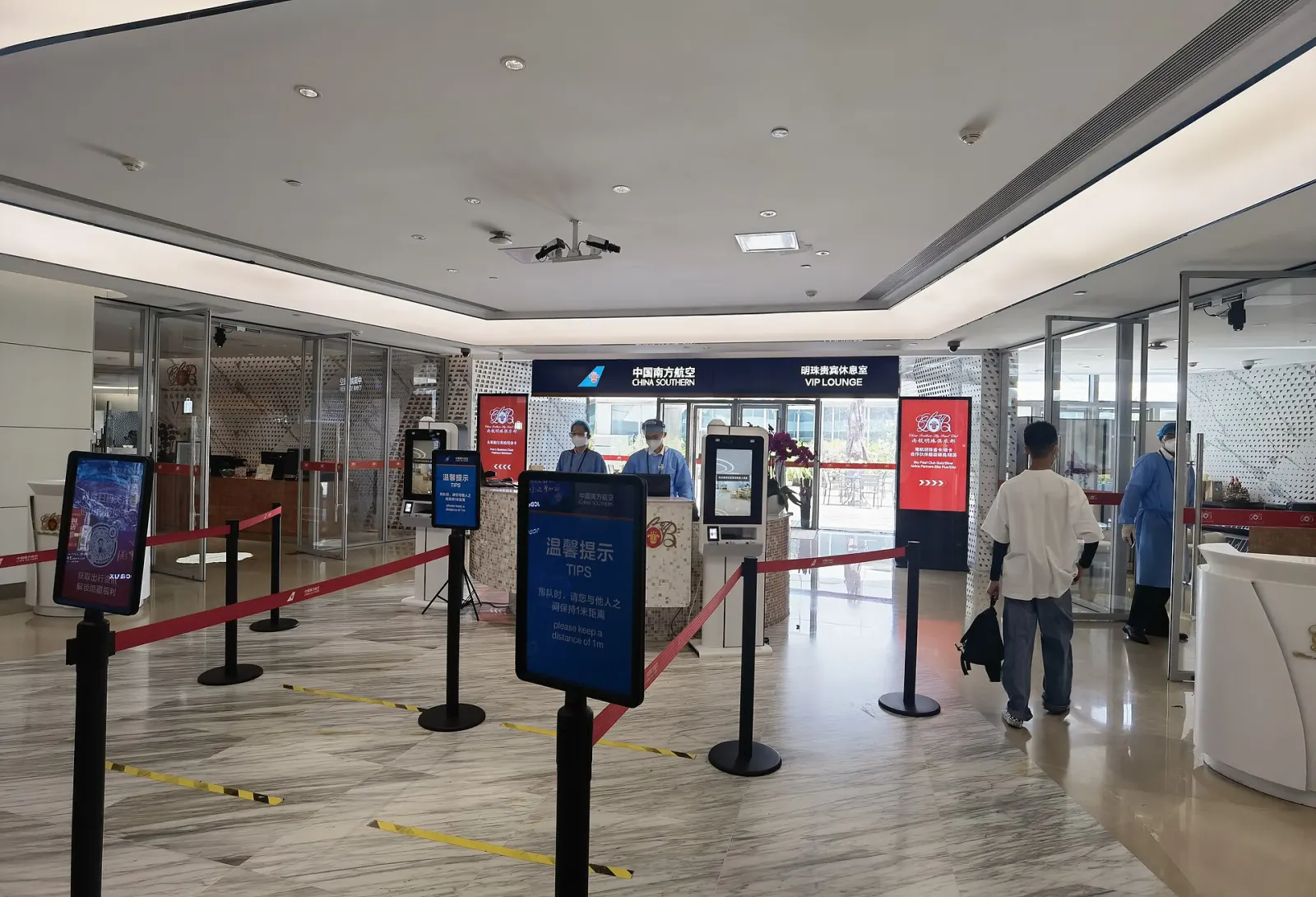
- A business class ticket does not guarantee the airline's flagship lounge. Partner airlines route you to contract lounges that can be considerably worse than the marketing photos.
- Access is usually time-limited before departure, commonly around three hours. Arriving very early can mean waiting outside the lounge you have access to.
- Arrivals lounges are a separate thing. Some airlines offer one at the destination with showers and breakfast; it is often the single most useful lounge of the whole trip and most people never ask.
- Guest rules vary wildly. Status often includes a guest, card memberships increasingly do not, and day passes rarely cover children for free.
Is it worth paying for on its own?
As a standalone purchase, usually only for long or overnight connections. As a reason to choose one itinerary over another, almost never: the lounge is worth a fraction of what the fare difference between cabins costs, so it should be a tiebreaker rather than a deciding factor.
Where it does change the maths is on itineraries with a long deliberate stopover. If you are already comparing a cheaper connecting fare against a nonstop, a shower and a bed-adjacent chair partway through makes the connection much easier to accept. That trade is covered in how to judge a cheaper fare.
Common questions
- Does a business class ticket always include lounge access?
- On long-haul, almost always, but which lounge varies. Flying a partner airline often routes you to a contract lounge rather than the carrier's flagship, and short-haul business fares on some airlines include no lounge at all.
- Can I buy a lounge pass at the door?
- Usually yes, subject to capacity. It is the sensible option for an unplanned long connection, and lounges do turn people away when full, so it is not something to rely on at peak times.
- How early can I get into a lounge?
- Most limit entry to roughly three hours before departure, though it varies. Arriving much earlier than that can mean waiting in the terminal for a lounge you already have access to.
- Is an airport lounge worth it for a short layover?
- Rarely. Under about ninety minutes you spend most of the visit settling in and packing up again. The value rises sharply past three hours, and a shower on a long-haul connection is worth more than the food ever is.