Business class seats compared: what you are actually choosing between
People choose business class by airline. The thing that actually decides the flight is the seat layout, and two aircraft from the same airline can be a world apart. Learn to read the cabin map and you stop being surprised.
Kaviqa3 min read
The only number that matters first
Before anything else, find the seat layout. It is written as a pattern of seats per row, and it tells you the single most important thing about the cabin: whether you have to climb over a stranger to reach the aisle.
| Layout | What it means | Verdict |
|---|---|---|
| 1-2-1 | Every seat touches an aisle. The modern standard for long-haul business | What you want |
| 1-2-2 / 2-2-2 | Window seats in the pairs are trapped behind another passenger | Fine if you take an aisle, poor if you do not |
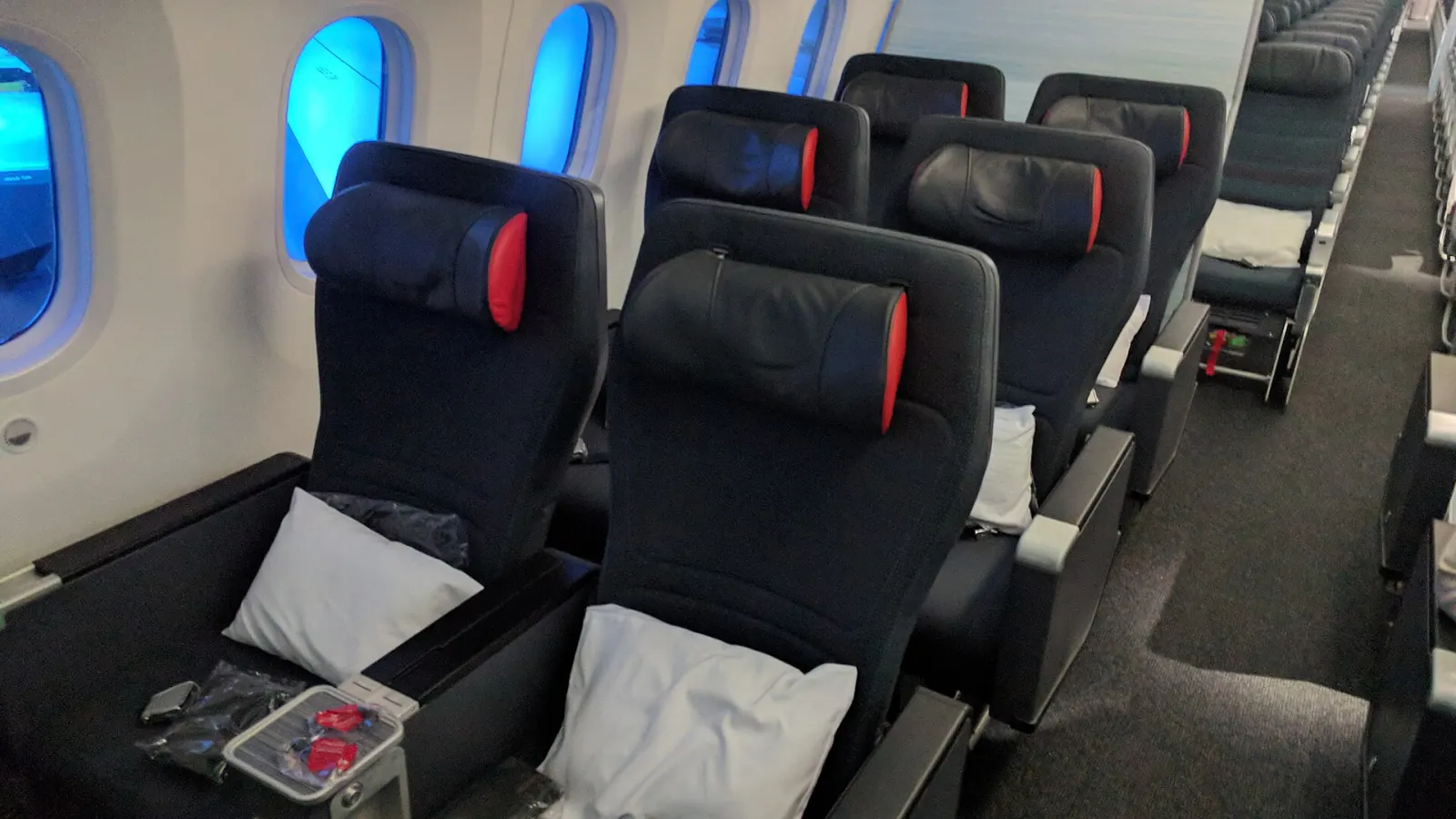
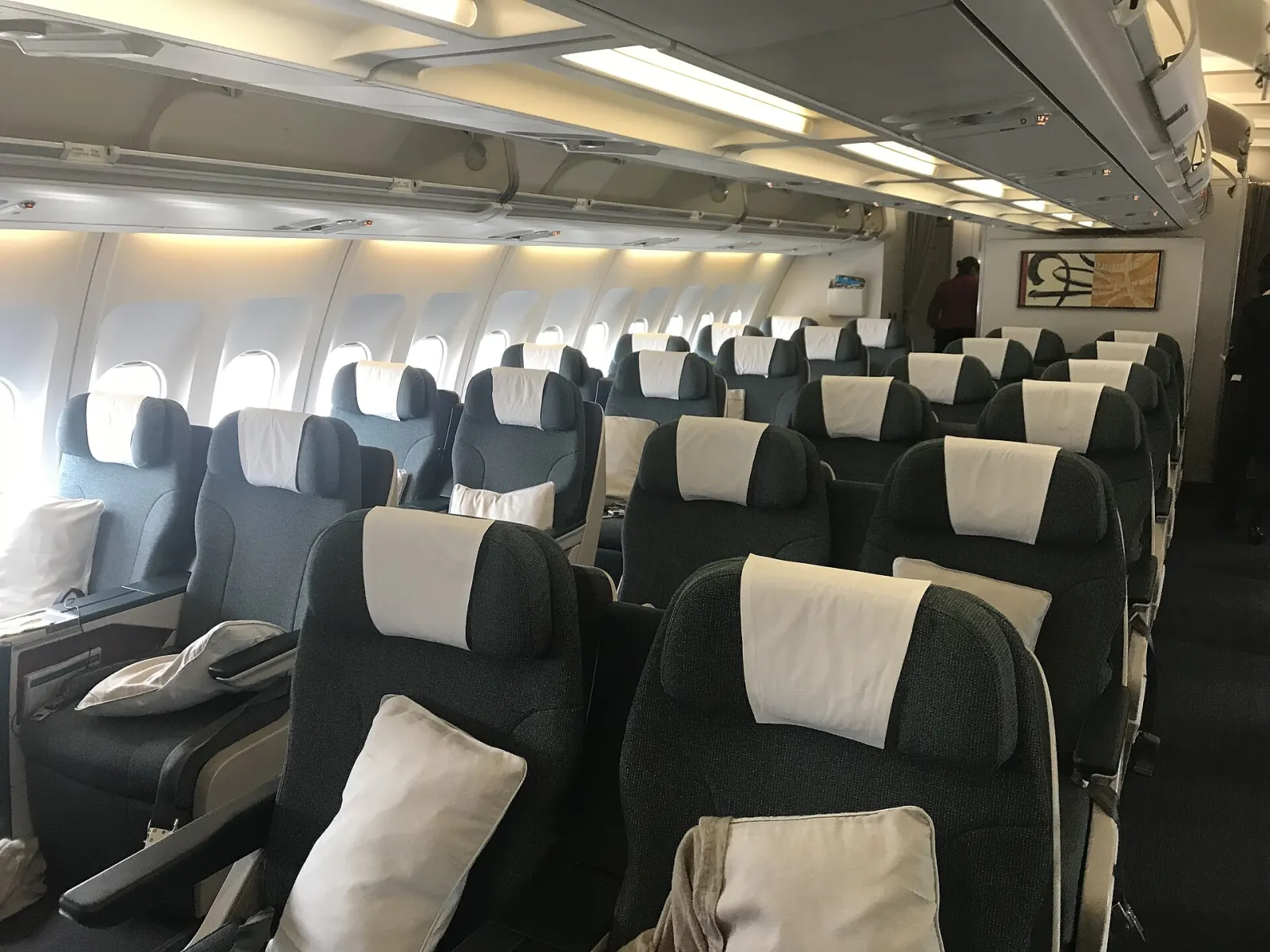
| 2-3-2 | An older widebody layout; the middle seat of three is the worst seat on the aircraft | Avoid where you have a choice |
Everything else (the door, the finish, the bedding, the size of the screen) is a refinement on top of that. Direct aisle access is the thing you cannot fix once you are on board.
The four shapes you will actually meet
- Reverse herringbone. Seats angle away from the aisle toward the window. Private, excellent for sleeping, and the most common premium long-haul business seat in the world right now. If a cabin looks good in photos, this is usually why.
- Suites with doors. Reverse herringbone with a closing panel. The door adds meaningful privacy and quiet. See our Qsuite guide for what it changes in practice.
- Staggered. Seats alternate position row to row so some are beside the window and some beside the aisle. Quality varies enormously *within the same cabin*: the window-adjacent seats are excellent and the aisle-adjacent ones feel exposed.
- Angled or recliner. Not fully flat. Increasingly rare on long-haul but still turns up on older aircraft and on regional widebody sectors. On an overnight flight this is the difference between sleeping and not.
How to check before you book
- Find the aircraft type for your flight number and date, not for the route.
- Check whether that airline flies more than one configuration of that type. Many do, and the booking site rarely tells you which one you are getting.
- Look at the seat map and count the pattern. If you see three seats across in a business cabin, expect an older product.
- Pick your specific seat, not just the cabin. In staggered layouts this is the whole ballgame.
- Re-check after any schedule change, because an equipment swap silently changes the seat you bought.
What to optimise for
Match the seat to the flight rather than chasing the best cabin in the abstract. On an overnight long-haul, sleep quality dominates everything: pick flat, private, and away from galleys and lavatories. On a daytime flight where you intend to work, screen, table and power matter more than the door does, and a slightly older seat is a reasonable trade for a better fare.
And on any route where several airlines compete, remember that the best seat and the best price are not usually the same booking. Comparing both at once is the entire point of running the route through a search that prices the alternatives side by side.
Common questions
- What is the best business class seat layout?
- 1-2-1, because every passenger has direct aisle access. Within that, reverse herringbone and door-equipped suites are the most private and the best for sleeping.
- What is reverse herringbone?
- A 1-2-1 arrangement where seats angle away from the aisle toward the window. It gives privacy without a door and is currently the most widespread premium long-haul business seat.
- Why do two flights on the same airline have different seats?
- Because the seat belongs to the aircraft, not the airline. Fleets are refitted gradually, so an airline can operate several business class products at once, sometimes on the same route on different days.
- Is a business class seat with a door worth paying more for?
- On overnight flights, usually yes: the door cuts light and noise and materially improves sleep. On short daytime sectors the difference is much smaller and rarely worth a fare premium.